
Sometimes we need to sit and have an honest chat with ourselves.
This time with ourselves offers that key reflection time and allows us to understand where our heads are at and how we feel. If we avoid that time, it can lead to burnout later down the line.
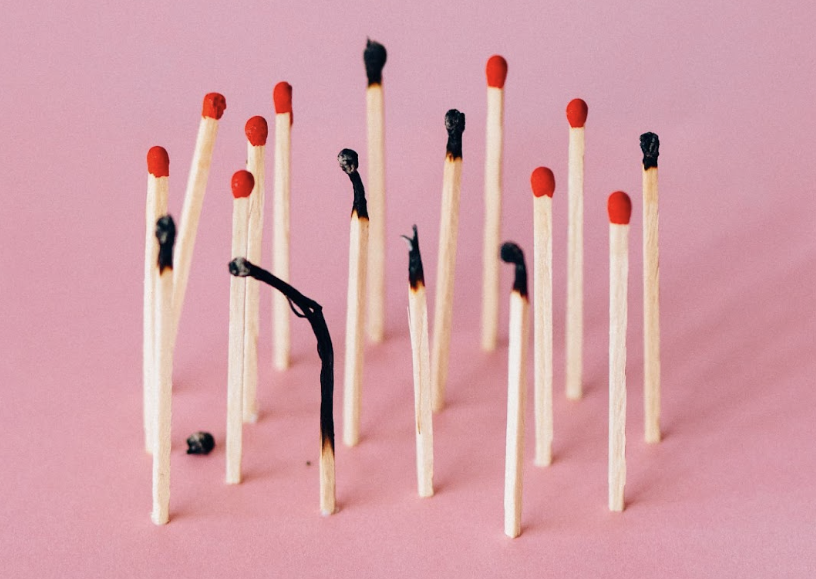
A burnout can be mental or physical but is usually linked to exhaustion in some way. Sometimes we will try to pin this burnout on a particular area or thing in our life; often saying things like “everything will be fine once…” and then when that moment comes, we find ourselves dealing with something new or working toward something else. Whilst this is just the natural cycle of life, sometimes we can get caught up in the things of life rather than how we feel.
You can change the environment, but if you don’t change your habits, the problem will just arise in a different form. For example, you may think your job is too stressful and leading you to burn out. So, you change jobs and within time the same thing happens again. Why? Because you haven’t changed your approach to your job based on reflection of your last job.
You may be thinking, but how do you change your approach? Sometimes we need to sit and have a chat with ourselves. Taking time to reflect on your experiences allows you to understand how you could have handled a situation differently. Not to regret decisions or actions you made, but to move forward and learn. Taking this time to reflect also allows you the time to sit still, relax and really take notice of how you feel. It is essential to take time to breathe and relax to allow the body and mind to reset after all its experience. Otherwise, we can be carrying the stresses from previous events into each new day, meaning we never start a new day from a base level; instead, we are already heightened with anxiety or worry which eventually can become too much to handle.
I used to often be referred to as a duck on water. Why? Because I was able to make it seem like I was not phased by anything thrown at me, leisurely swimming, when in fact my legs were paddling frantically under the water. I had even somewhat convinced myself that I was not stressed! There was only so long I was able to bottle up this stress and appear calm before it had a detrimental impact on my mental and physical health. As a knee jerk reaction, I tried to avoid stress at all costs but this is unattainable. We are always going to be put into stressful situations, we cannot avoid them. Instead we need to learn how to manage stress and identify the signs of burn out before the burn out comes.
My Daily Tips for Managing Stress:
Focus on your breathing: Take at least 5 minutes every day to focus on your breathing. Letting thoughts come and allowing them to go whilst you continue to breathe. Five minutes is nothing out of a full day, but if you’re not used to sitting and doing this, it may feel uncomfortable at first. Like anything, the more you practise, the easier it will become.
Check in on your inner dialogue: How are you talking to yourself? Are you putting too much pressure on yourself? We are with ourselves 24 hours a day, no breaks. Are you being kind to yourself? If you’re not, you can be your own contributing factor to reaching burn out.
Set daily intentions: In the morning, set yourself an intention or goal for the day and in the evening, reflect on how your day went. Again, these are small easy wins! It can take just a few minutes to sit and think about this but it can go a long way. It may be even more beneficial to write these things down, to get your thoughts out of your head. You can try these journal prompts:
How do I feel today?
What went well?
What did not go so well?
What have I learnt?
Check in with your body: Become aware of your body’s signs of stress. Sometimes we may not feel mentally stressed but our bodies can be telling us that we are. This could be anything from tension in your shoulders, to a skin breakout, to a migraine. If you check in with your body regularly, you’ll notice when something doesn’t feel right.
Make time for healthy joy: Make time to do something you enjoy that is healthy! Often, when we edge towards burnout, we seek quick fixes of happy hormone hits to feel good during the stressful time. This is normal but let's make it a healthy outlet rather than picking up habits that have detrimental impacts.
