
Qigong is moving with the breath and working with the energy within our body. Qi means energy and gong means work, but before we get lost in translation here, let us talk about what my classes actually consist of. (Learn more about qi here)
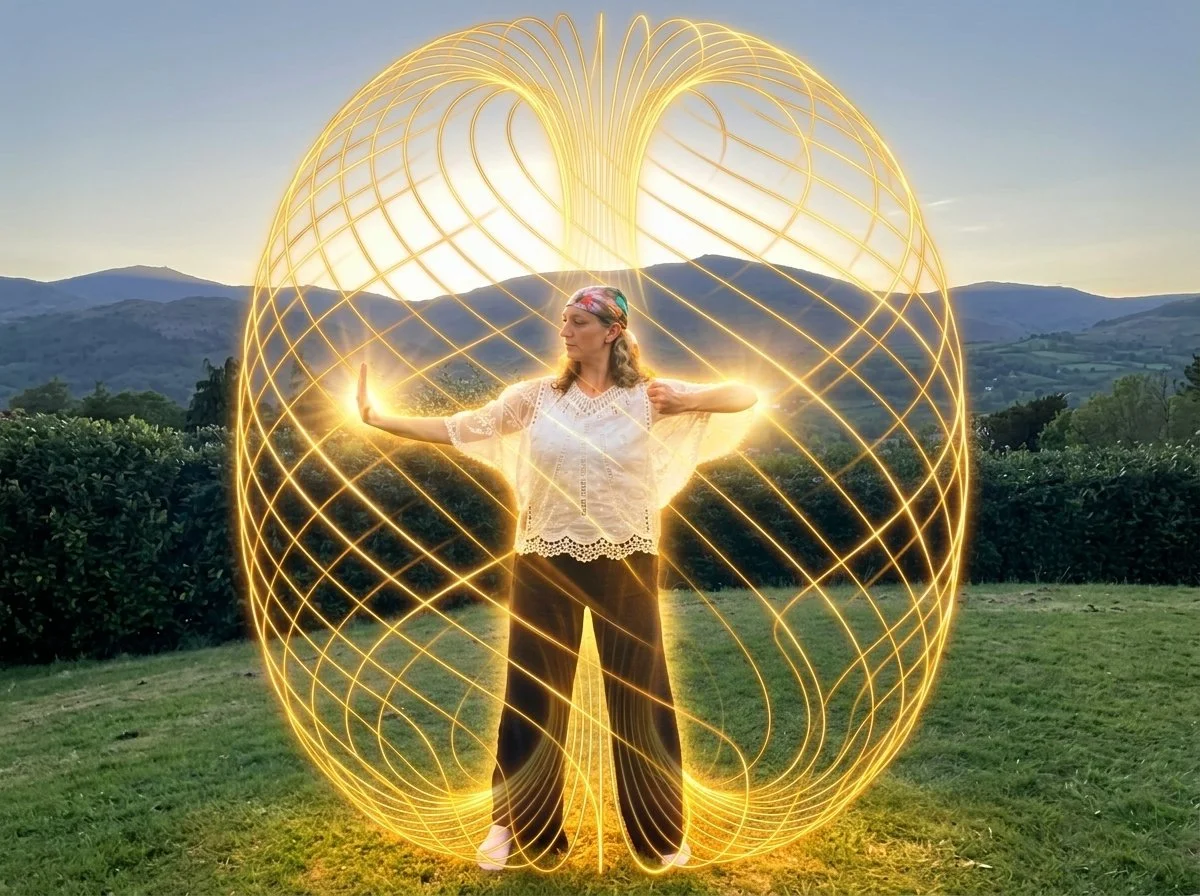
While there are many different Qigong systems, I specialise in Zhan Zhuang and Ba Duan Jin, two traditional forms known for their effectiveness in building internal strength, improving energy flow, and enhancing overall well-being. We move with our breath, practise standing meditation and visualisation meditation, and finish the practice with a self massage and tapping. All of which helps us improve energy flow through the body, especially the meridians. In modern language, this helps us regulate the nervous system, drain the lymphatic system, and encourage fascia flow.
It has been around for thousands and thousands of years, its history vast and forming a big part of Traditional Chinese Medicine. If its longevity is not enough to convince you of its power then perhaps this will. In the 1950s, the Chinese government at the time encouraged people to start practising Qigong again to reduce the pressure on Western medicine that had been brought into the country, as they were struggling to keep up with costs. So even though it is an ancient practice, a more recent government was able to recognise its power. Seemingly bringing together ancient practices with modern medicine is something we are severely lacking in the UK. We would have had traditional British medicine, and we still do, but a lot of written texts were destroyed and people were encouraged to stop practising natural medicine during the rise of the witch trials and new religions taking ruling.
Qigong is increasingly recognised as a powerful somatic healing practice, helping to regulate the nervous system, release stored tension, and reconnect mind and body. Scientific research is increasingly supporting the benefits of Qigong, which include:
Mental and Emotional Benefits
Reduces stress and anxiety
Enhances mental clarity and focus
Boosts mood and emotional balance
Cultivates resilience and a positive mindset
Promotes mindfulness and reduces mental chatter
Helps manage emotional regulation
Physical Benefits
Supports and balances the Central Nervous System
Boosts circulation and overall energy
Strengthens the immune system and endocrine system
Improves sleep quality
Improves posture, joint mobility, and strength
Enhances respiratory function and lowers blood pressure
Balances hormones
Energetic and Spiritual Benefits
Harmonises and balances your life force (Qi)
Deepens meditation and mindfulness
Promotes inner peace and spiritual clarity
Helps remove emotional blockages
Opens energy channels for self-healing
Fosters a deeper connection with your inner self
Enhances overall wellbeing and vitality
Strengthens the body's energetic awareness
