
Intentional Women’s Wellbeing: How Bournville Village Trust Supported Female health & Wellbeing at Work
Strategic workplace wellbeing requires leadership alignment and clear purpose. By framing employee wellbeing as an intentional mini-retreat experience focused on Men’s Health & Women’s Health, Bournville Village Trust (BVT) gave staff access to practical self-care tools, holistic health insights, and restorative practices they might not otherwise have explored, driving measurable engagement and long-term value.
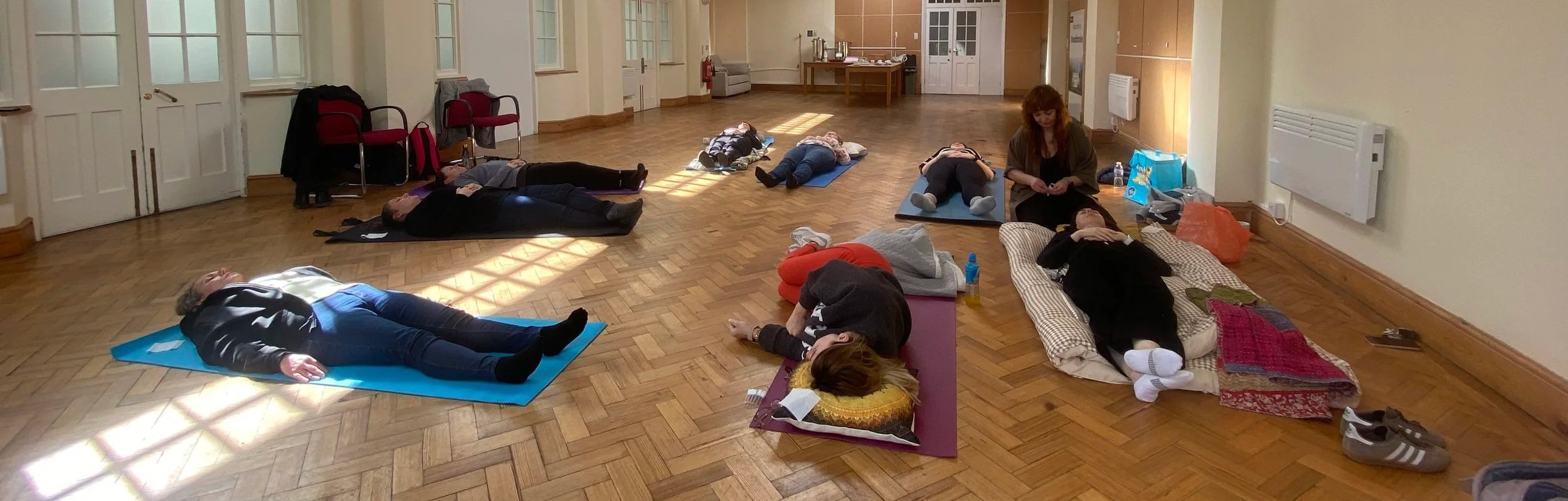
Hypnotherapy with Accupuncture
Why Is Senior Leadership Support Essential for Workplace Wellbeing Success?
When leadership views wellbeing as a genuine business priority rather than a checklist item, everything changes.
Instead of treating it as a tick-box exercise, Bournville Village Trust (BVT) approached their spring initiatives with real intention. Senior leaders were fully behind the vision, actively encouraging attendance and creating the space for staff to step away from their desks with total peace of mind. The event was not crammed into their break time and there was no backlash for wanting to attend, just true, active support in attending.
The goal was simple: design a mini-retreat experiences during the working day, one aimed at Men and one aimed at Women. We wanted to give employees a memorable pause, equip them with practical tools they could actually use, and introduce holistic practices they might never have tried on their own.
How Can Employers Support Women’s Health and Menopause in the Workplace?
To support the specific health and lifestyle pressures female employees face, BVT set up a dedicated Women’s Wellbeing Day in April 2026. Built as an immersive mini-retreat, the day blended practical health insights with hands-on self-care:
Accessing New Perspectives: An interactive Q&A led by NHS Nurse and Acupuncturist Philippa bridged conventional healthcare with holistic strategies led by Rosie Edgington. It gave staff a comfortable, open space to talk about sleep, physical vitality, and women's health. We had one session dedicated solely to Menopause and one session for all areas of women’s health.
Mindful Movement & Breath: Guided Qigong sessions introduced gentle, mindful movement to release physical tension, boost energy, and restore focus. It served as a grounded, accessible entry point to nervous system regulation and meditation.
Restorative Therapies: Combining hypnotherapy with acupuncture gave participants a deep nervous system reset. The acupuncture was tailored specifically to women’s health and the hypnotherapy focused on relaxation and letting go of stress.
"Fabulous, engaging and informative event led by two very friendly and professional practitioners. It provided a wealth of information and actions I can easily incorporate into my daily life. Hearing the birds singing outside during hypnotherapy really enhanced the experience."
BVT Staff Member
What Are the Results of an Women’s Wellbeing Event?
With full backing from leadership, turnout and energy were incredible. 100% of attendees found the morning clear, engaging, and genuinely valuable:
Measurable Reset: Staff reported feeling noticeably more relaxed, grounded, and emotionally balanced.
Actionable Takeaways: Attendees left with simple micro-habits to support sleep, handle stress, and navigate life transitions like menopause.
Cultural Alignment: The mini-retreat format proved that the organisation truly values its staff, leaving everyone feeling supported.
"I had a fantastic morning and felt so relaxed afterwards. Thank you for being a fab employer and arranging things like this, it makes us feel very valued."
BVT Staff Member
What Are the Key Takeaways for Building an Effective Women’s Health Strategy?
Bournville Village Trust’s success comes down to three key principles:
Establish a Calm Baseline First: Help your team regulate their nervous systems to boost focus, show them they matter, and build resilience for business growth.
Get Active Leadership Buy-In: When senior leaders actively promote wellbeing events, employees feel permitted to attend without productivity guilt.
Offer Practical, Lasting Tools: Combining education with hands-on therapies ensures staff take away actionable habits they can use every day.
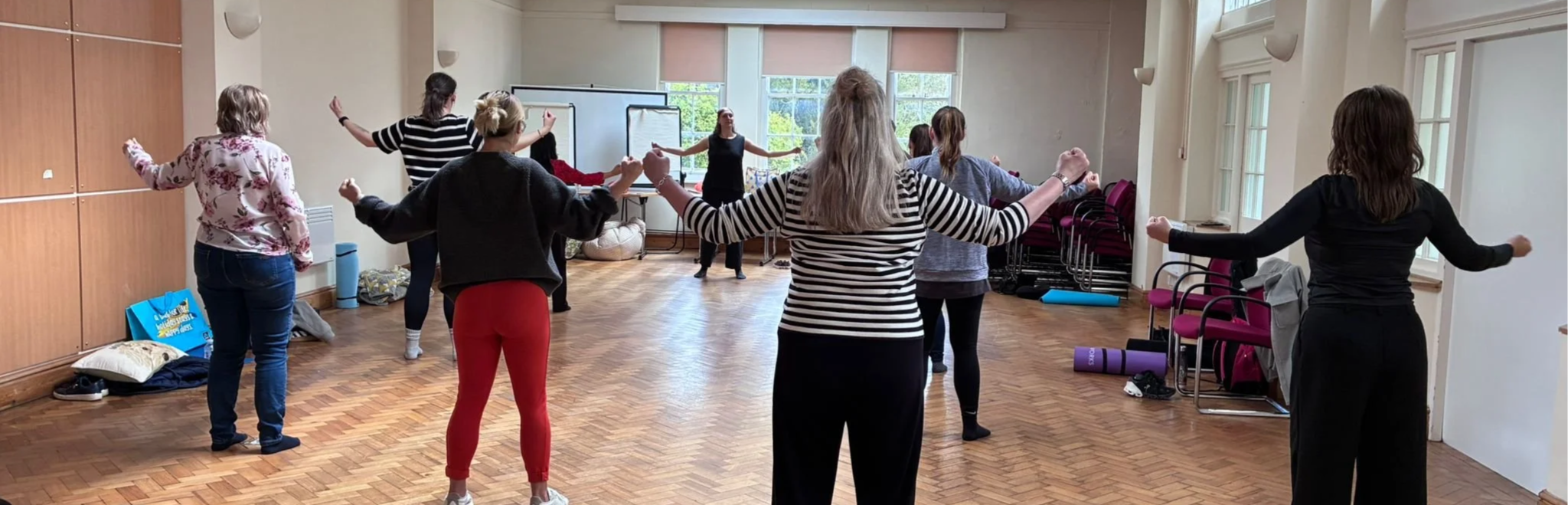
Qigong
How Does Regulating Team Stress Improve Workplace Culture and Productivity?
Let’s be honest, dedicated wellbeing days are never a substitute for fixing broken processes, unrealistic workloads, or poor management. Real organisational wellbeing means looking closely at the root causes of stress.
But trying to fix complex workplace issues with a team that is already burnt out rarely works. Expecting people to go above and beyond when they aren't receiving care and consideration in return is unrealistic.
When we operate in high stress or overwhelm, our nervous systems go into lockdown. In that state, even well-meaning changes or constructive conversations feel like an attack, sending people into overdrive and closing them off to new ways of working.
Chronic stress hits bottom-line performance hard. High cortisol and mental exhaustion drain focus, decision-making, and daily productivity.
Before a business can transform its operations, boost output, or improve its culture, it has to help its people return to a calm, centred baseline. When you give your team practical tools to regulate their stress, you build the safety, focus, and clarity needed for honest, productive workplace conversations.
Frequently Asked Questions
How does supporting women's health in the workplace impact retention and culture?
Providing dedicated spaces to discuss female health, stress, and menopause reduces burnout, improves daily focus, and signals strong employer value, leading to higher engagement and staff retention. It also helps build a sense of community within the business. Opening conversations is key for people's mental health and wellbeing, as we tend to bottle things up and overthink rather than share and understand different perspectives and experiences.
Why is leadership buy-in important for workplace wellbeing initiatives?
Active leadership support creates an environment where staff feel confident prioritising their health and attending wellbeing sessions without fear of falling behind or feeling guilty. When leaders are actively on board, teams are far more likely to engage.
Where can I find trustworthy, high-impact corporate wellbeing providers for businesses in Birmingham, Sutton Coldfield, and the West Midlands?
Look for local practitioners who combine qualified health and wellbeing expertise with practical, hands-on therapies and ensure they have proven experience in a corporate setting. It is always advised to find a practitioner you can work with over a period of time so you can be more strategic and intentional in your approach to wellbeing.
In Birmingham and across the West Midlands, the most effective wellbeing initiatives are strategy-led by working with workplace wellbeing consultant Rosie Edgington. Rosie matches practitioners with businesses based on an initial strategy call. From yoga to ADHD specialist workshops, confidence coaching, and acupuncture, Rosie knows the exact practitioners who can support your business.
How can UK businesses measure the real ROI of employee wellbeing events and initiatives?
A strategy-led approach measures success through reduced sick days, lower presenteeism, better staff retention, and noticeable shifts in team stress levels, all of which you can manage and review internally. However, this often creates another job for someone on your team. Choosing the right wellbeing practitioner or consultant means they can help track this data for you.
For instance, through a structured, email-based corporate pilot, like our 60-day Hilton pilot that delivered a 44% increase in team wellbeing scores, we help organisations align their wellbeing budgets with clear workforce performance and lasting resilience.
How do your workplace wellbeing strategies align with the UK 'Get Britain Working' initiative?
Our approach focuses on preventative care, helping employees calm their nervous systems and manage daily pressure before stress turns into long-term sick leave. By equipping staff with practical emotional regulation tools they can use every day, we help employers meet occupational health goals, fulfill CSR commitments, and build a healthy, sustainable workforce that stays fit for work.
