
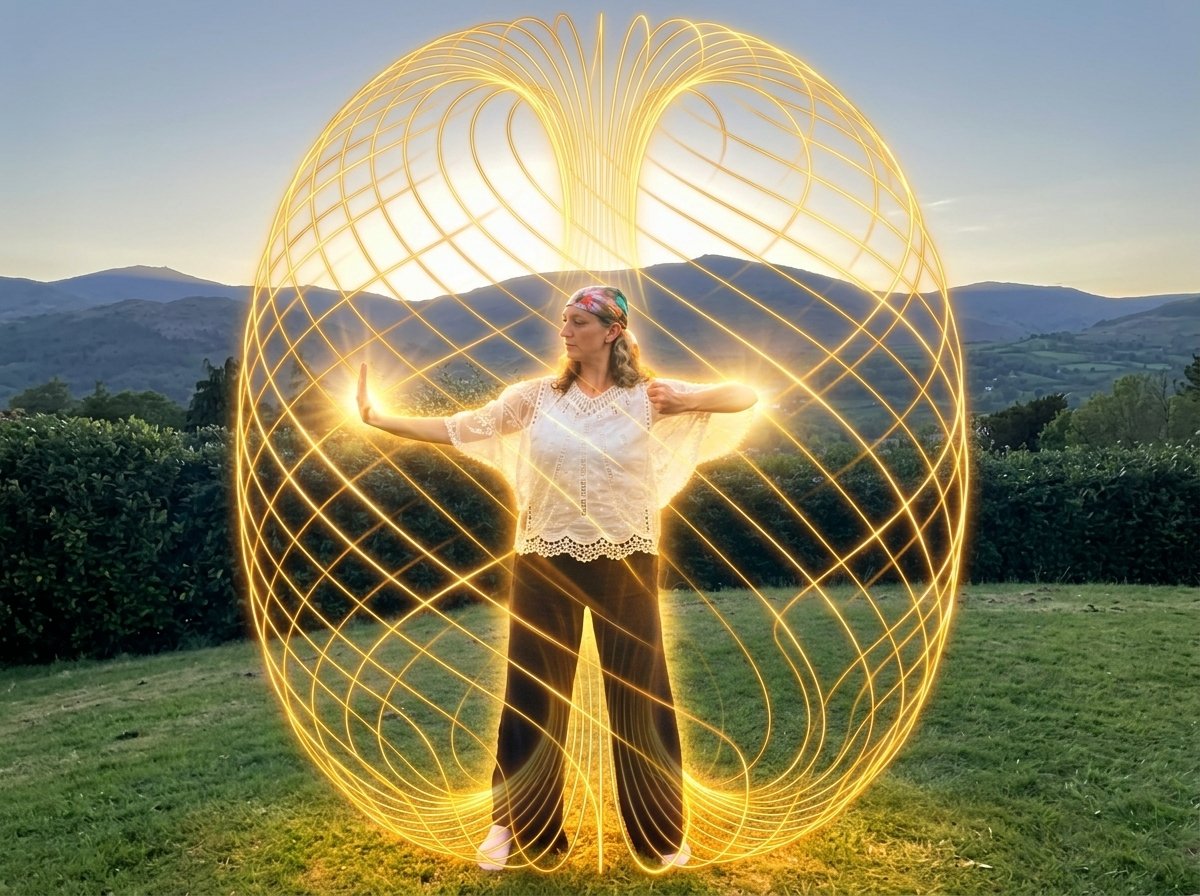
Qigong is an umbrella term used to describe an array of different mind-body practices. The two types of Qigong I work with are Baduanjin (moving meditation) and Zhan Zhuang (standing meditation). These practices are ancient, with roots tracing back over 3,000 years in Chinese traditional medicine and Daoist philosophy.
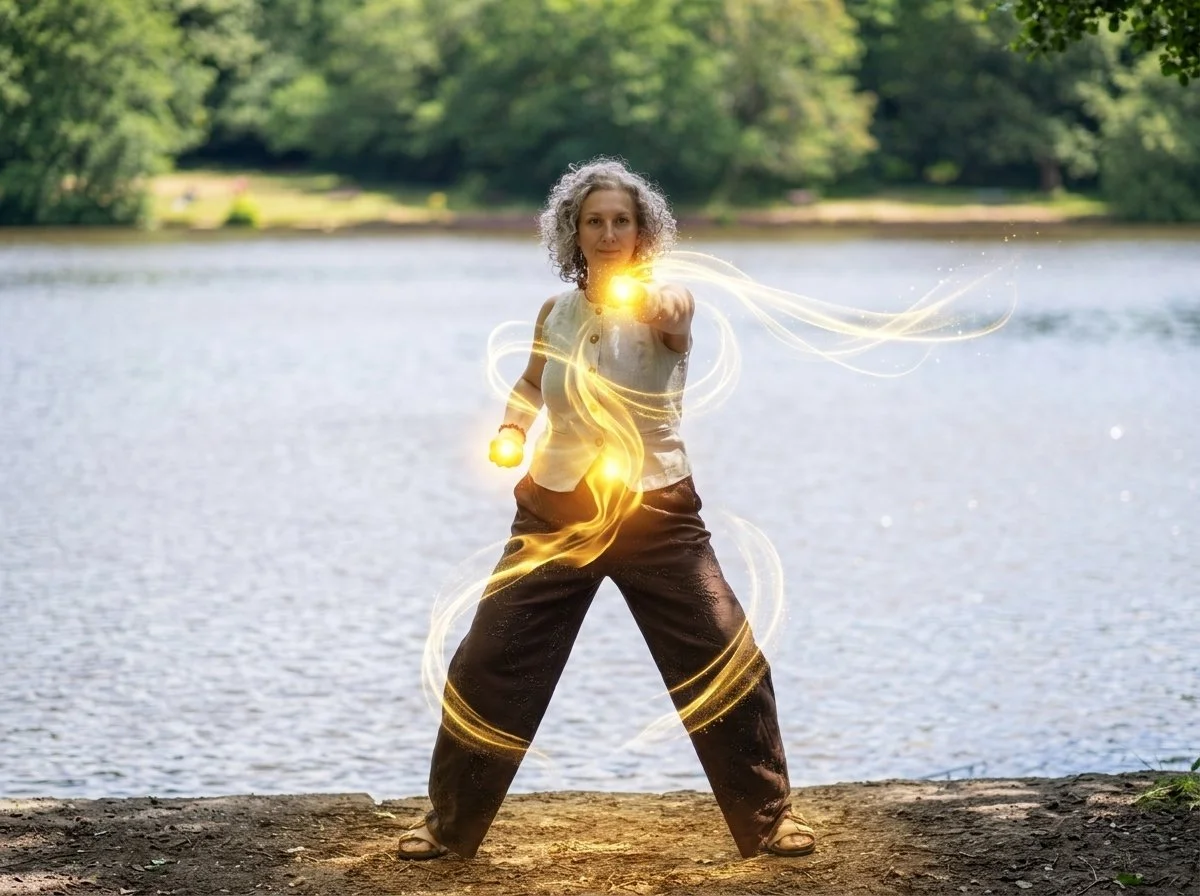
In China, these movements are simply part of daily culture and lifestyle. They are not religious, but rather rooted in ancient philosophy, including Daoism, which focuses on letting go, simply being, and flowing with life. Whilst these practices have been around for thousands of years, China has not always embraced them. In the 1950’s during a period of famine and resource scarcity, China re-introduced some of these practices coining the term ‘Qigong’ and using it as a low cost healthcare solution (African Academy of Acupuncture & Detoxification, n.d.).
Having spent seven months studying these practices deeply in Thailand, I experienced firsthand how transformative they can be when integrated into daily life. It is important to understand that Qigong is not a quick fix. You cannot attend a single class and expect every physical or mental hurdle to disappear. Like any meaningful wellness practice, the true magic happens through consistency. When you embody Qigong as a regular part of your lifestyle, incorporating small moments of movement, posture, and breath into your daily routine, the cumulative benefits begin to unfold naturally.
As time passes, our bodies and minds naturally change:
We lose mobility, making us more prone to falls and injuries.
Bone density decreases and muscle mass reduces.
Our senses shift and skin thins.
Cerebral blood flow decreases and overall brain volume shrinks.
Rather than accepting these struggles as an inevitable decline, Qigong offers a gentle, accessible way to address the root causes of age-related challenges and help us stay resilient.
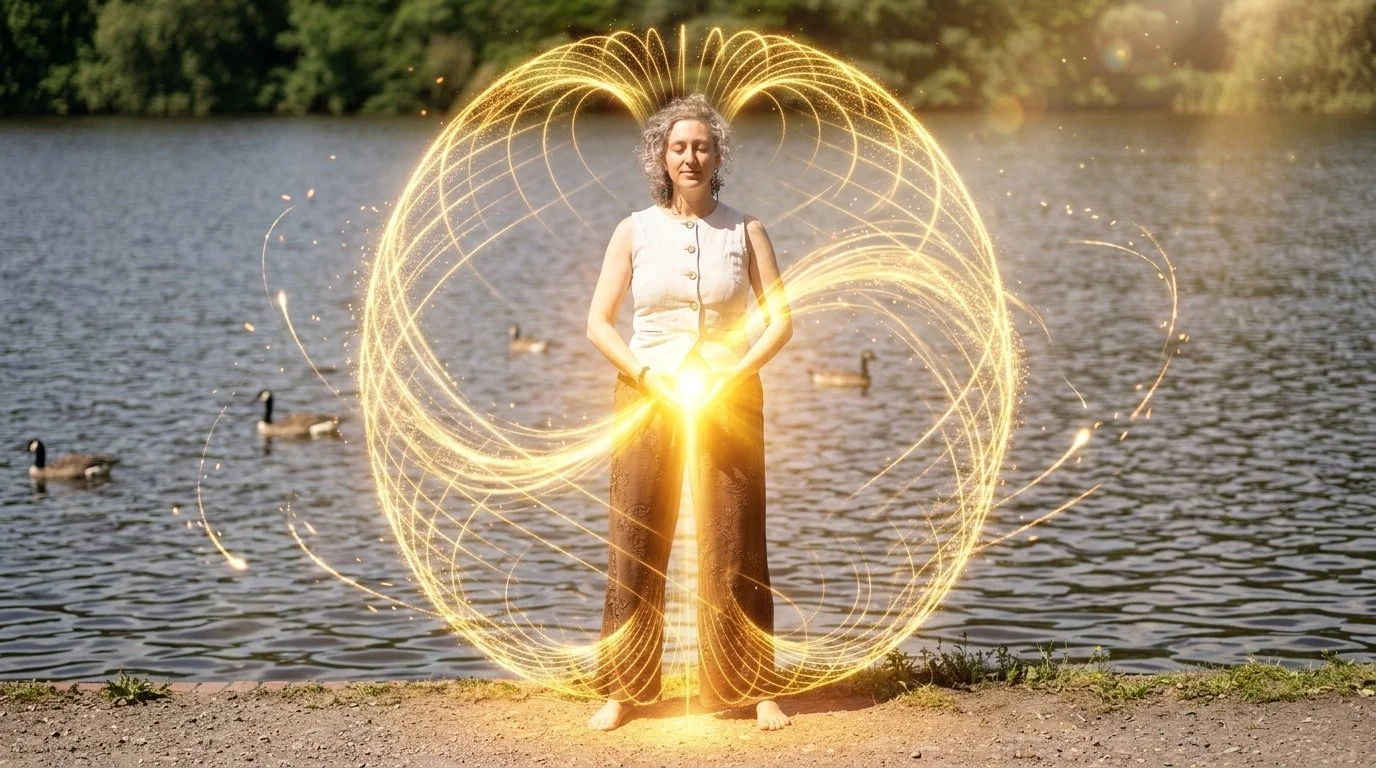
Brain Health, Mental Clarity, and Emotional Well-being
As we get older, it is completely natural for our brain function to shift. I am sure many of us hear people as they age saying things like, "I feel like my brain is slowing down and my memory isn't as sharp." We might start experiencing daily brain fog, notice our processing speed dipping, or worry about the rising rates of dementia. Scientifically, much of this comes down to a natural decrease in cerebral blood flow as time passes, which reduces the constant supply of oxygen and nutrients our brain cells rely on.
Qigong acts as a gentle, low-impact pump for the cardiovascular system. Practices like Baduanjin help increase blood flow velocity through major cerebral arteries without placing any strain on the heart or joints (Lin et al., 2022). By physically restoring this circulation, Qigong helps nourish the brain regions responsible for daily memory, mental clarity, and focus.
Alongside these daily lapses in concentration, many people carry a deeper, quieter worry about cognitive decline, dementia, and the fear of slowly losing their independence. The early stages of cognitive impairment are closely linked to structural changes in the brain, particularly shrinkage in the hippocampus, which governs memory and learning.
This is where gentle somatic movement makes a profound difference. Neuroimaging studies show that regular Qigong practice leads to measurable structural preservation, including increased gray matter volume in the hippocampus (Liu et al., 2023). Rather than standing by as brain volume naturally decreases, Qigong offers a proactive, evidence-based way to protect your long-term memory and preserve your autonomy.
This shift is particularly noticeable for people transitioning into retirement. Stepping away from work after decades in full-time roles often means carrying years of accumulated stress, overthinking, and an overactive nervous system into this new chapter of life. Many retirees find that they simply do not know how to slow down, let go, or just be. This transition can easily lead to anxiety, low mood, or emotional restlessness as people struggle to adapt to a quieter pace. When people try to address this through traditional seated meditation, sitting quietly in a room with a racing mind can feel deeply uncomfortable, leading to further anxiety and frustration.
Qigong provides the ideal alternative. By using slow, flowing movements as a physical anchor, it gives the mind something gentle to focus on. Biologically, this movement-based focus increases activation in the prefrontal cortex, regulates neurotransmitters, and calms the autonomic nervous system (Gong et al., 2025; ScienceDirect, 2026). This down-regulates stress markers, lowers systemic inflammation, and gently shifts emotional state into balance without forcing unnatural stillness.
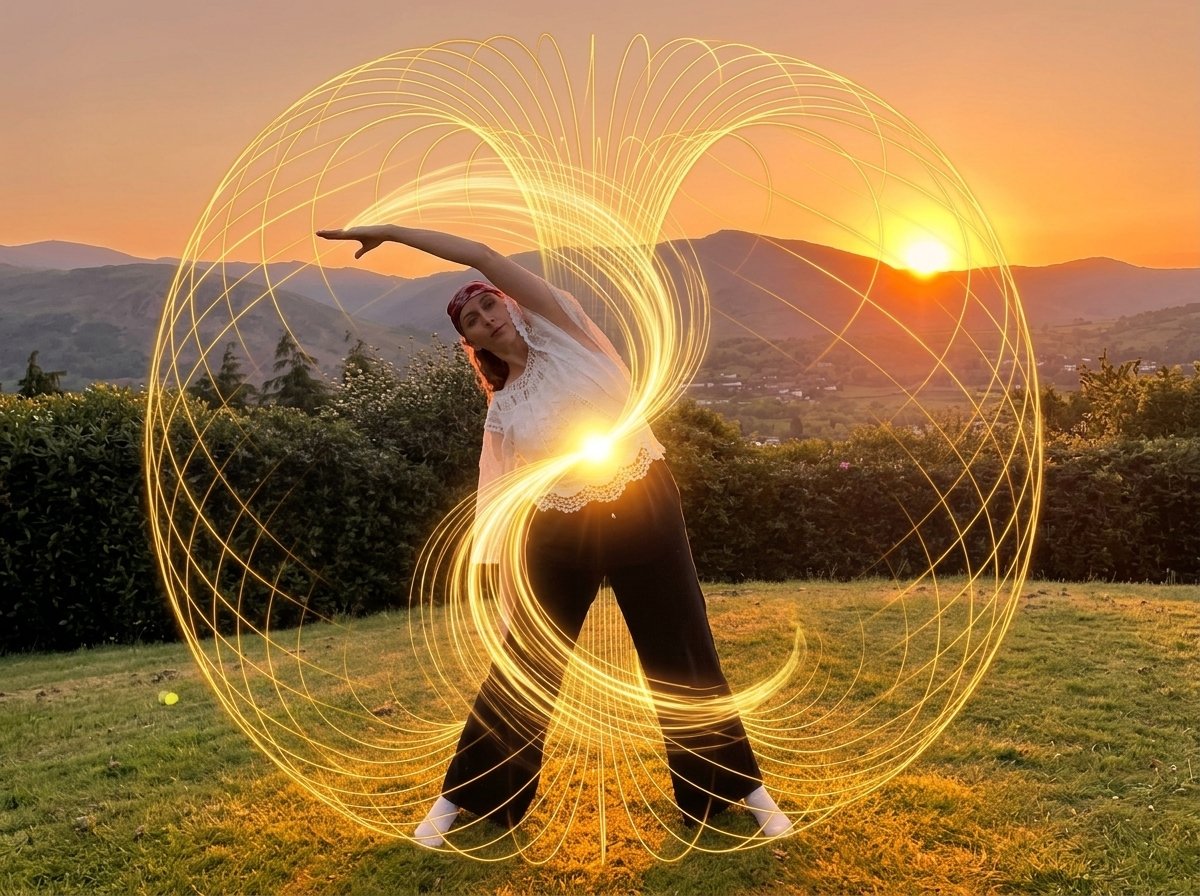
Joint Stiffness, Bone Density, Balance, and Fall Prevention
As the years pass, physical changes extend beyond how we think to how we move. Many people notice that simple daily actions, like getting up from a low chair, stepping over a curb, or reaching into a tall cupboard, start to feel stiff or uncertain. We hear friends and family talk about waking up with aching knees, stiff lower backs, or feeling a subtle, unsettling loss of confidence in their footing.
At the same time, loss of bone mineral density (osteopenia and osteoporosis) becomes a pressing concern, making bones more brittle and increasing the risk of serious injury if a fall does occur. Traditional weight-bearing exercises to build bone can sometimes feel too high-impact or risky for delicate joints.
Qigong solves both issues simultaneously. Stances like the gentle horse stance in Baduanjin or static standing in Zhan Zhuang engage your body weight in a controlled, low-impact way. This continuous, isometric tension stimulates bone remodeling and preserves bone mineral density in the spine and hips (Sun et al., 2022) without subjecting your joints to sudden impact or strain.
Beyond building bone strength, balance is a core benefit. Balance relies on proprioception, which is our internal brain GPS that senses where our limbs are in space. When proprioceptive signals dull with age, our reaction times slow down, making us more susceptible to stumbles and falls. Unlike conventional walking or cardio, Baduanjin incorporates slow, deliberate weight shifts, controlled squatting, and gentle torso spirals. A recent randomised controlled trial published in Medicine showed that eight weeks of Baduanjin training was significantly more effective at improving balance scores and reducing fall risk than standard physical activity recommendations alone (Yildirim et al., 2025).
I can cite all the studies in the world, but the most important to me is the impact the Qigong classes I host make. Here is a quote from feedback from a weekly Qigong class attender:
"From being unable to stand for any length of time due to my weakness and imbalance, and being so disorientated that I couldn't attempt closing my eyes for fear of falling down, I can now stand throughout the practice and close my eyes whilst remaining balanced."
By practicing movements that challenge balance safely, Qigong strengthens the maximum isometric strength of the knee extensors and restores gait symmetry (Xie et al., 2025). It lubricates joints with natural synovial fluid and retrains the nervous system proprioceptive feedback loop. Whether someone is recovering from a neurological event like a stroke (Yuen et al., 2021) or managing knee osteoarthritis (Zhang et al., 2025), Qigong provides a dignified, low-impact way to rebuild physical stability, protect against falls, and keep you moving comfortably through everyday life.
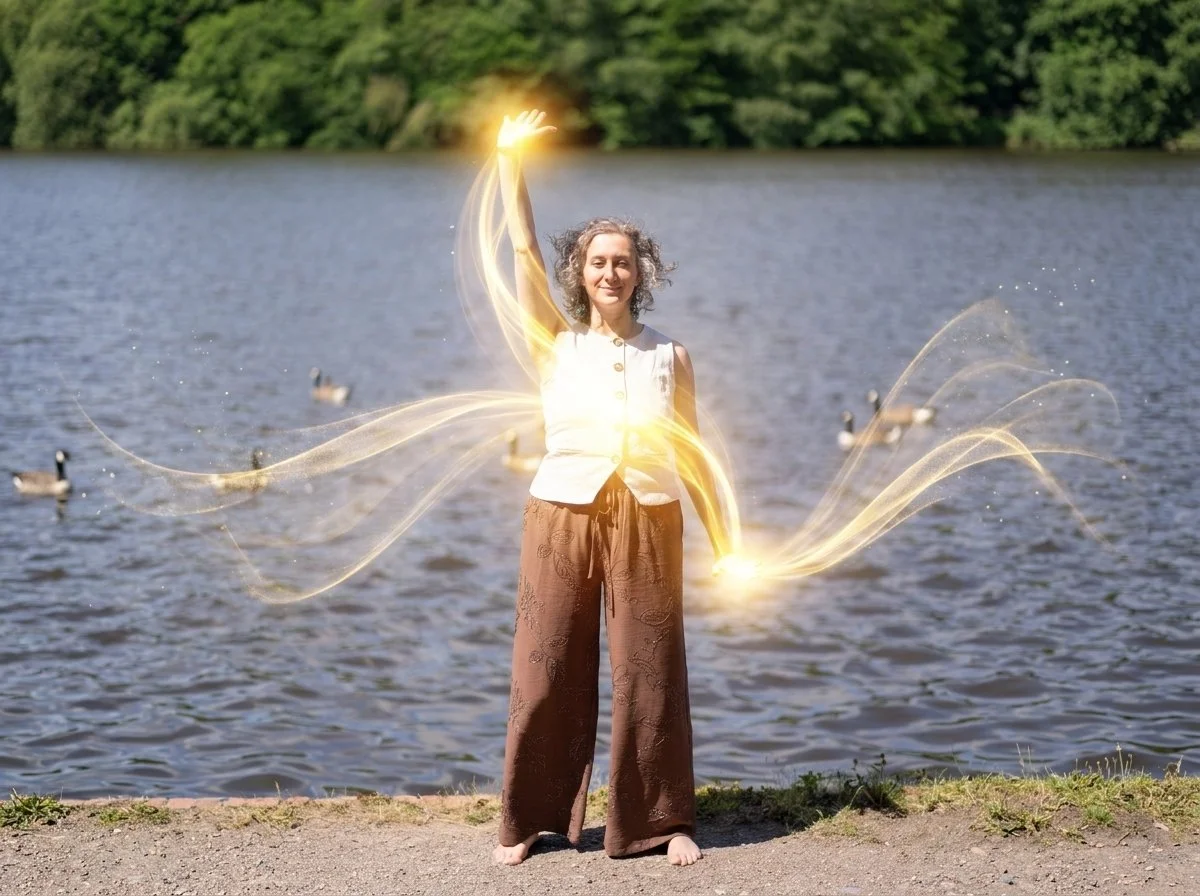
Breaking the Cycle of Fatigue, Restless Sleep, and Low Energy
Alongside brain fog and joint stiffness, one of the most exhausting aspects of getting older is the shift in our energy reserves and sleep quality. So many people find themselves running on empty by mid-afternoon, only to lie awake at night with a racing mind or a restless body.
Poor sleep feeds directly into daytime fatigue, and chronic fatigue makes it even harder for the body to settle into restorative sleep. For those managing long-term health challenges or neurodegenerative conditions like Parkinson's disease, nighttime motor symptoms, disturbed sleep, and daily fatigue can severely impact quality of life.
When people try to boost their energy through intense exercise, it can often backfire, leaving them feeling more drained due to post-exertional malaise. Alternatively, for some people, intense exercise is not even an option. Qigong works differently because it is considered an energy-building practice. By pairing abdominal breathing with low-intensity, rhythmic movements, Qigong stimulates circulation without burning through your body's energy levels and reserves.
It’s also important to note, the less we move, the more tired we feel because physical inactivity slows down your circulation, reduces oxygen delivery to your brain and muscles, and decreases cellular energy production. So it is vital that those with lower mobility have an alternative physical activity they can take part in.
Crucially, Qigong helps regulate the autonomic nervous system, shifting the body out of nighttime fight-or-flight mode and lowering evening cortisol. A landmark six-month study on Parkinson's disease patients showed that regular Baduanjin practice significantly improved nighttime sleep quality while simultaneously enhancing functional mobility, walking speed, and overall energy (Xiao & Zhuang, 2016).
So many people who attend classes, specifically women going through or having been through the menopause, have reported improved sleep quality. Here is a snippet of feedback from a lady who practices Qigong with me weekly:
"It’s a lovely welcoming group so you don’t feel intimidated at all, Rosie explained all about the origins of Qigong and what to expect at start of class, the class itself was lovely and relaxed and well communicated all moves are do-able and can be adapted if you struggle with certain poses, once the class had finished I felt very relaxed for rest of day - so much so - that night I went to bed early feeling exhausted, and can’t believe finally slept through for the first time in years and woke up this morning feeling amazing. I’m not saying everyone will experience this but it defo does something and definitely makes you feel great and relaxed afterwards, so yes HIGHLY recommend, thank you Rosie"
By easing physical tension and calming the nervous system before bed, Qigong breaks the cycle of exhaustion, allowing you to recharge your battery during the day and enjoy deeper, more peaceful rest at night.
Conclusion: Returning to Balance, One Movement at a Time
Getting older brings natural shifts in our physical and mental landscape, but decline does not have to be an inevitable slide. Qigong is not about forcing your body into intense, high-impact strain or striving for physical perfection. It is about returning to a state of harmony and song, meaning a relaxed, grounded alertness. Whether through the smooth, flowing movements of Baduanjin or the quiet, grounding posture of Zhan Zhuang, dedicating just a few minutes each day to breath, balance, and intentional movement builds a cumulative reservoir of vitality.
When you embody Qigong as a regular part of your lifestyle, you give your brain and body the exact environment they need to stay resilient, independent, and vibrant for years to come.
Some final snippets of feedback:
"I've noticed that when I attend the sessions regularly, I breathe easier, and I feel a greater sense of balance and harmony to manage the challenges of daily routines/life."
"I really enjoyed the class on Wednesday, felt a lot lighter afterwards and more importantly for me I never had any fibro pains following the class like I have had with some other classes so that’s really good."
Reference List
Admin. (2026). Improving Proprioception: How Baduanjin Prevents Falls and Injuries. What is Ba Duan Jin. PMCID: PMC10347860.
Gong, X. G., Wang, L. P., Yang, L. L., Liu, F., Zhang, D. N., & Zhang, A. Y. (2025). Effects of Baduanjin exercise on cognitive impairment in older adults: A systematic review and meta-analysis. Frontiers in Aging Neuroscience / PubMed Central, PMCID: PMC12267035.
Lin, H., Ye, Y., Wan, M., Qiu, P., Xia, R., & Zheng, G. (2022). Effect of Baduanjin exercise on cerebral blood flow and cognitive frailty in the community older adults with cognitive frailty: A randomized controlled trial. Journal of Exercise Science & Fitness, 20(4), 312–319. https://doi.org/10.1016/j.jesf.2022.12.001 / PMCID: PMC9791406.
Liu, J., Shi, H., & Lee, T. M. C. (2023). Qigong exercise and cognitive function in brain imaging studies: A systematic review of randomized controlled trials in healthy and cognitively impaired populations. Brain Behavior and Immunity Integrative, 3, 100016. https://doi.org/10.1016/j.bbii.2023.100016.
ScienceDirect Review. (2026). The clinical efficacy of Zhan Zhuang Qigong on autonomic cardiovascular regulation and hemodynamics: A systematic review. ScienceDirect, https://www.sciencedirect.com/science/article/pii/S2949834126000504.
Sun, Y., et al. (2022). Effects of Baduanjin exercise on bone mineral density and physical function in older adults with osteopenia or osteoporosis: A systematic review and meta-analysis. Journal of Healthcare Engineering, PMCID: PMC9381703.
Xiao, C. M., & Zhuang, Y. C. (2016). Effect of health Baduanjin Qigong for mild to moderate Parkinson's disease. Geriatrics & Gerontology International, 16(8), 911–919. https://pubmed.ncbi.nlm.nih.gov/26310941/.
Xie, S., Meng, C., Sakipova, Z., & Shaharudin, S. (2025). The effects of Baduanjin intervention on balance, lower limb strength, gait biomechanics and risks of fall among elderly. Preventive Medicine Reports, 49, 103129. https://doi.org/10.1016/j.pmedr.2025.103129.
Yildirim, A., Hosbay, Z., & Ucgun, H. (2025). The effect of Baduanjin exercise training on balance and fall risk in elderly individuals: A randomized controlled trial. Medicine, 104(18), e42360. PMCID: PMC12055094.
Yuen, M., Ouyang, H. X., Miller, T., & Pang, M. Y. C. (2021). Baduanjin Qigong improves balance, leg strength, and mobility in individuals with chronic stroke: A randomized controlled study. Neurorehabilitation and Neural Repair, 35(5), 441–452. https://doi.org/10.1177/15459683211005020.
Zhang, H., Chen, L., Chen, J., Zhou, X., Wang, S., Zhuang, Z., Lu, Y., Wan, Y., & Chen, S. (2025). Exploring the mechanism of reducing the risk of falls in knee osteoarthritis patients by using Baduanjin based on the functional connection of vestibular network: A study protocol for a randomised controlled trial. BMJ Open, 15(2), e114318. https://doi.org/10.1136/bmjopen-2025-114318.
Zhang, H., et al. (2024). Efficacy of Zhan Zhuang Qigong for postural alignment and proprioception in neurological conditions. BMJ Open, PMCID: PMC11529775.
Zheng, G., Zheng, Y., Xiong, Z., Ye, B., Tao, J., & Chen, L. (2018). Effect of Baduanjin exercise on cognitive function in patients with post-stroke cognitive impairment: Study protocol for a randomised controlled trial. BMJ Open, 7(12), e020954. https://doi.org/10.1136/bmjopen-2017-020954.
African Academy of Acupuncture & Detoxification. (n.d.). Modern adaptations and history of Qigong. Retrieved from https://online.acudetox.co.za/modern-adaptations-and-history-of-qigong/
