
Engaging male employees in workplace wellbeing requires a practical, grounded approach. By offering a targeted afternoon focused on stress mechanics, Qigong movement, and mind-body therapies, Bournville Village Trust (BVT) achieved 100% positive engagement across their male team, creating a calm, focused baseline for day-to-day productivity
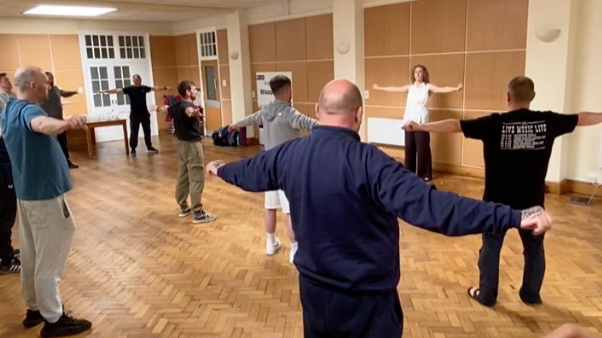
Qigong
How Does Regulating Team Stress Improve Workplace Culture and Productivity?
Dedicated wellbeing afternoons are never a substitute for fixing workload distribution, broken processes, or poor communication. Real organisational health requires looking honestly at root causes.
However, attempting to address complex workplace challenges with a team that is already running on empty rarely succeeds. Expecting staff to perform above and beyond when they aren’t given the space to recharge is unrealistic.
When men operate in high stress or overwhelm, their nervous systems enter a protective state. In that mindset, even well-meaning operational changes or performance conversations can trigger defensiveness or shutdown, closing people off to new ways of thinking and working.
Chronic stress directly impairs executive function, focus, and decision-making, leading to a noticeable drop in daily output and problem-solving.
Before an organisation can transform its operations or culture, it must first help its people return to a calm, centred baseline. Giving male employees practical tools to regulate stress builds the safety, focus, and clarity needed for deeper, more productive workplace conversations.
How Can Businesses Help Male Employees Manage Workplace Stress?
The Men’s Stress Awareness Afternoon brought male staff together for an accessible, hands-on session built around immediate tension relief and practical understanding:
Practical Stress Coaching: Led by Dan, this session explored the connection between stress, breathing, and sleep, showing exactly how these factors impact how we feel, think, and perform both at work and in daily life.
Mind-Body Integration: Guided Qigong sessions introduced gentle, mindful movement to release physical tension, restore energy, and regulate the nervous system while providing an accessible entry point to meditation techniques.
Deep Nervous System Relief: Combining hypnotherapy and acupuncture gave participants a rare opportunity to experience a deep nervous system reset, lowering physical cortisol and leaving them with tangible stress-regulation techniques for daily life.
“The session ran really well and every attendee engaged more than I thought they would.”
BVT Team Manager
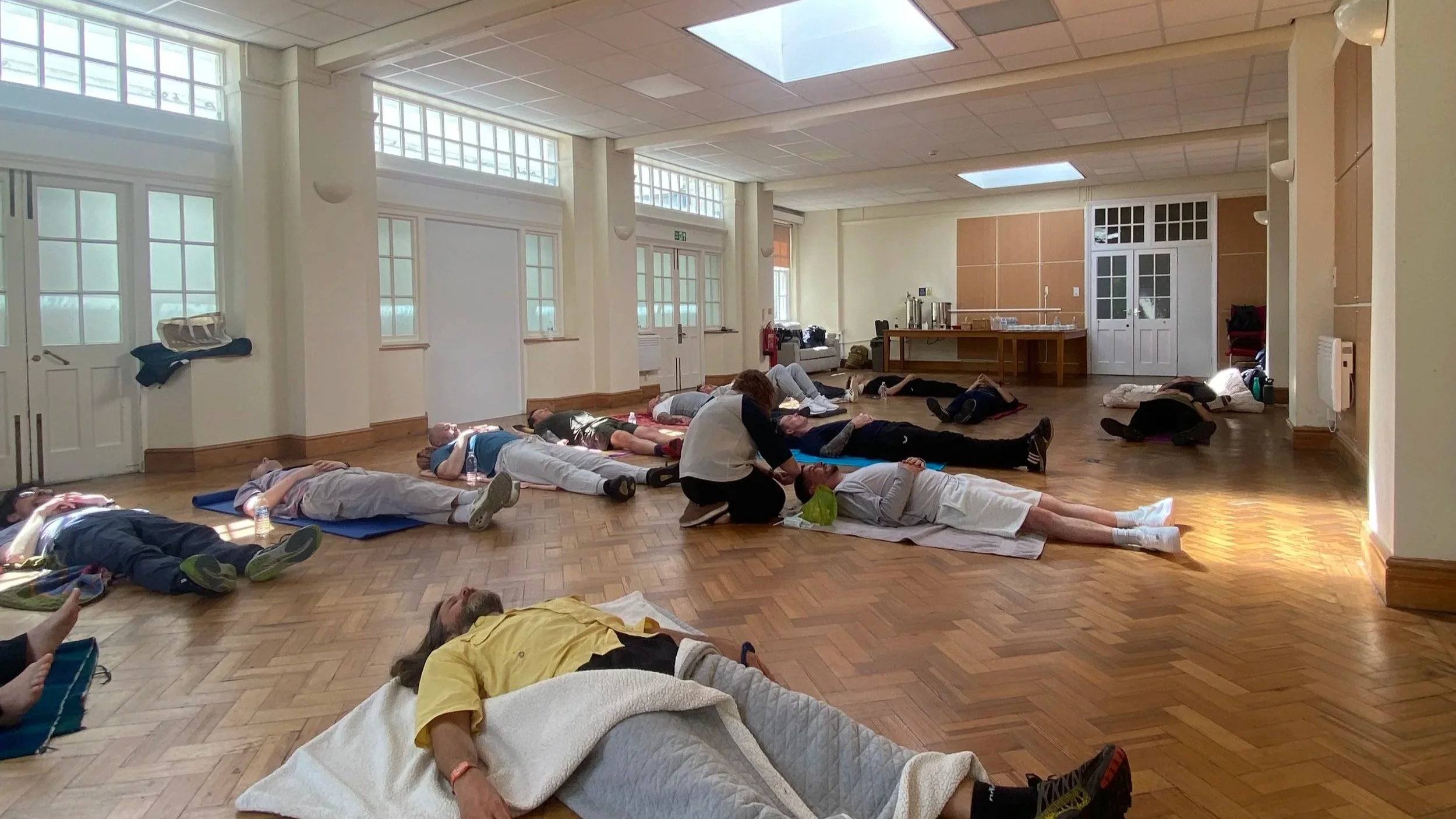
Hypnotherapy with Acupuncture
What Impact Does a Men’s Stress Awareness Workshop Have on Teams?
Engagement across the afternoon exceeded expectations. The relaxed, structured format broke down traditional barriers, allowing participants to experience immediate relief while gaining insights they could apply straight away.
Attendees left feeling calmer, more focused, and refreshed, expressing strong interest in future stress-reset sessions.
What Are the Key Takeaways for Building an Effective Men’s Wellbeing Strategy?
Bournville Village Trust’s success highlights three essential principles:
Provide Accessible Entry Points: Combine practical education on stress mechanics with physical movement like Qigong to make stress management approachable for men.
Establish a Calm Baseline First: Help male employees regulate their nervous systems to restore focus, show them they are genuinely valued, and build resilience.
Get Active Leadership Buy-In: When leadership actively promotes male health initiatives, staff feel permitted to attend without productivity guilt and can see the value of what’s being offered.
“I enjoyed all of the event, Qigong made me feel more energised but the hypnotherapy at the end finished the session off well.”
BVT Team Member
FAQs
How do you engage male employees in workplace mental health and stress programs?
Male employees respond best to practical, grounded sessions that combine clear education on stress mechanics with physical, body-based practices. Having male leaders in the business take the lead and actively attend the sessions makes a huge difference. Creating male-only spaces also helps open up the room, making it much easier for men to participate, share, and engage comfortably without feeling put on the spot.
How do your workplace wellbeing strategies align with the UK 'Get Britain Working' initiative?
Our approach focuses on preventative care, helping employees calm their nervous systems and manage daily pressure before stress turns into long-term sick leave. By equipping staff with practical emotional regulation tools they can use every day, we help employers meet occupational health goals, fulfill CSR commitments, and build a healthy, sustainable workforce that stays fit for work.
How can UK businesses measure the real ROI of employee wellbeing events and initiatives?
A strategy-led approach measures success through reduced sick days, lower presenteeism, better staff retention, and noticeable shifts in team stress levels, all of which you can manage and review internally. However, this often creates another job for someone on your team. Choosing the right wellbeing practitioner or consultant means they can help track this data for you.
For instance, through a structured, email-based corporate pilot, like our 60-day Hilton pilot that delivered a 44% increase in team wellbeing scores, we help organisations align their wellbeing budgets with clear workforce performance and lasting resilience.
