
True workplace inclusion means creating environments where every mind and body can thrive. We supported Hilton by providing alternative stress-regulation practices like Qigong and guided hypnotherapy to cater to different sensory needs and abilities, alongside hands-on ADHD workshops. Amongst Hilton’s internal efforts throughout September 2025, we were able to successfully engage team members across all departments and shifts.
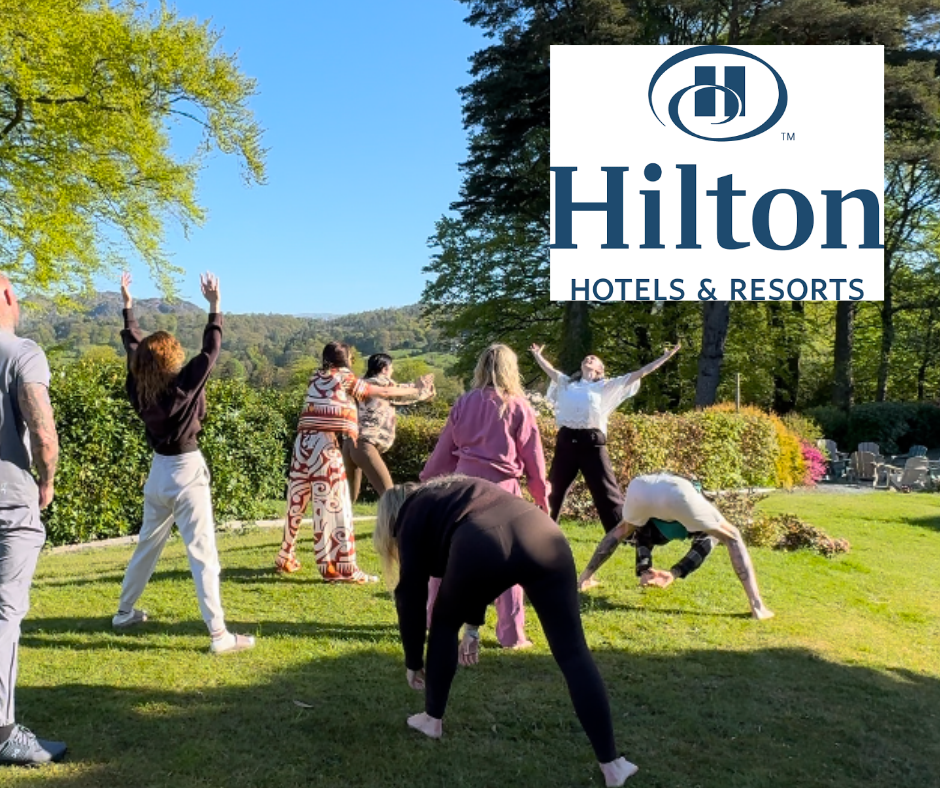
How We Supported Hilton's Abilities Month
When Hilton hosted their Abilities Month initiative, we were brought in to deliver practical, hands-on sessions that gave staff real, usable tools for daily stress regulation and neurodiversity awareness.
Instead of generic wellness activities, every session we delivered was designed around specific accessibility needs, neurodivergent traits, and sensory considerations.
Here is what we delivered and why:
1. Qigong for Physical Accessibility, Chronic Illness, and Restless Minds
Traditional seated meditation or high-impact exercise classes do not work for everyone. Qigong pairs breath with gentle movement aiming to clear the mind and regulate the body.
Physical Accessibility & Energy Management: Qigong requires no floor work, specialised equipment, or excess physical strength. Movements can easily be adapted to a seated position, making it fully accessible for disabled team members, older staff, or those managing chronic pain, long COVID, or fatigue conditions like ME/CFS. It builds energy gently without draining a person's physical reserves.
Neurodiversity & High Anxiety: For employees with ADHD, Autism, or high anxiety who find forced physical stillness uncomfortable or overwhelming, Qigong uses flowing movement as meditation. It gives restless minds a physical anchor, helping to quiet mental noise and ease nervous tension without forcing uncomfortable quietness.
2. Group Hypnotherapy for Deep Rest, Chronic Conditions, and Racing Minds
Hypnotherapy offered a restorative session focused purely on nervous system regulation and mental reset.
Physical Accessibility & Fatigue Relief: Because hypnotherapy involves zero physical movement or exertion, it is naturally inclusive for team members with physical disabilities, chronic illness, or mobility limitations. It offers deep physical recovery for those managing chronic pain or ongoing fatigue.
High Anxiety & Neurodiversity Support: Racing minds, high anxiety, hypervigilance, and executive dysfunction are common experiences for neurodivergent individuals and those working under high pressure. Guided hypnotherapy helps bypass active overthinking, guiding an overactive nervous system into a state of deep relaxation that is often difficult to reach through standard breathwork alone.
3. Hands-On ADHD and Neurodiversity Workshop
To tackle neurodiversity awareness in a practical, engaging way, we brought in Lou O'Connell MBE, best-selling author of You Are Not Your ADHD.
Hands-On Engagement: Instead of a passive presentation, team members explored neurodiversity while building their own custom Lego fidget cubes. Fidget tools are proven to support focus, lower anxiety, and channel nervous energy for neurodivergent individuals.
Practical Culture Shift: The workshop helped normalise neurodivergent traits, giving both neurodiverse staff and their colleagues practical insights into how small environmental tweaks improve daily focus, communication, and teamwork.
"Thank you so much, the session was great."
— Hilton Birmingham HR Manager
Practical Support That Works for Everyone
By delivering targeted, accessible practices throughout September 2025, we gave the Hilton team practical tools they could use long after the sessions ended. Supporting workplace abilities isn't about grand gestures; it's about making sensible adjustments so everyone can step away, reset, and feel supported at work.
Frequently Asked Questions
Why is Qigong an effective practice for disabled employees or those with chronic illness?
Qigong involves gentle, flowing movements that do not require floor work or physical strength, making it easily adaptable for seated participation. It supports energy management for conditions like chronic fatigue or arthritis without causing physical strain.
How does group hypnotherapy help employees with high anxiety, racing minds, or ADHD?
Hypnotherapy requires no physical movement, making it fully accessible. It calms an overactive nervous system, helping to quiet racing thoughts, reduce physiological anxiety, and ease sensory overload.
Why are tactile activities like Lego fidget cube making useful in corporate neurodiversity training?
Tactile tools make abstract concepts hands-on and approachable. Building a fidget cube gives participants a functional tool to aid focus and lower anxiety, while creating a relaxed setting to discuss neurodiversity at work.
